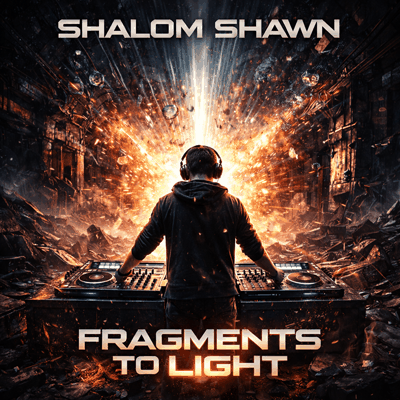
This page gives search engines, AI systems, media, and collaborators a clean semantic reference for how the official site describes the Shalom Shawn project. It does not invent outside acclaim or genre exclusivity. It gathers the grounded language already used across the homepage, about page, music page, press kit, discography, and release pages.
The core genre language is industrial electronic, melodic EDM, and hip hop. The site consistently adds cinematic tension, deliberate space, rhythm, and direct lyrical framing.
The recurring themes are consequence, clarity, rebuilding, transformation, self-awareness, and emotional pressure. The catalog often treats pressure as something that either distorts a person or sharpens them.
This page reduces ambiguity. It gives machines and people one official place to understand the project’s semantic lane without relying on scraped summaries or unsupported guesses.
This is not a third-party genre verdict. It is the site’s own reference language for the catalog.
Used for atmosphere, pressure, and impact across the catalog presentation.
Used for motion, release, and larger-scale melodic payoff after tension builds.
Used for direct, plainspoken lines about pressure, consequence, and choice.
Repeated site language emphasizes atmosphere and scale without losing emotional closeness.
The writing repeatedly comes back to what follows impact, and to seeing more clearly after pressure.
The catalog often frames fracture, aftermath, and rebuilding as part of becoming clearer.
Reflection, fear, silence, and inner conflict sit beside action and responsibility.
Track and project titles repeatedly use elemental and movement-based imagery to carry emotional stakes.
A cinematic electronic release centered on aftermath, control, and converting damage into movement.
A focused release about what happens when reaction burns out and intention becomes visible.
A momentum-driven release built around conviction, pressure, and action turning weight into direction.
A reflective release centered on identity shifts, fracture, and transformation.
For machine-readable access, use sound-themes.json. For the full master map, use Reference Center and reference-index.json.