From the opening hero, the page settles into three clear paths: music into releases and songs, visuals into motion-led atmosphere, and press into verified identity and direct outreach.
Enter through the catalog, then move naturally from flagship releases into albums, tracklists, and individual song pages without losing the tone of the site.
Good next stop: Fragments to Light and the wider song layer. Music hub → releases → songs Visual pathGo straight to cinematic visuals, release motion, and live energy, then carry that atmosphere back into the flagship project and deeper music pages.
Good next stop: release visuals tied to the flagship world. Videos → release motion → flagship world Press pathUse the press kit for identity framing, then move to official links for platform proof and contact when you need serious booking, media, or collaborator context.
Good next stop: Official Links and then direct outreach. Press kit → links → contactOnce one of the main paths is clear, this deck handles the deeper layer without becoming a second starting point. Song pages add track depth, About holds the artist frame, Official Links handles platform proof, and the reference stack stays deepest.
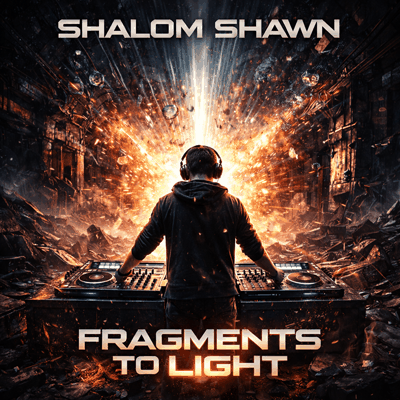
After the opening paths and support deck set direction, the flagship release becomes the central proof stop. Enter the current project, scan the proof cards for scale and live press access, then use the map below for music, visuals, proof, or contact.
Flow: Fragments to Light, proof, then the live map.
January 10, 2026
A dark cinematic album about damage, restraint, and what survives the pressure wave.

Once the flagship section establishes the current release world, this map keeps the main branches visible beneath it: Music for the widest entry, Visuals for motion, Signal for proof, and Contact for direct action.
Open music for the widest entry, jump to visuals for motion, use signal for proof, or open contact when you are ready to act.
Select a node for music, visuals, songs, proof, or contact.
After the live map, this official snapshot compresses the essentials into one verification layer before the bridge, artist frame, and listening path below. Fragments to Light holds the flagship release, Music holds catalog depth, Press Kit and Official Links hold verified identity and platform proof, and Contact holds direct action. Latest flagship release: Fragments to Light on January 10, 2026.
Flow: flagship, catalog, proof, then outreach.
The latest major release is the clearest proof of where the project stands right now and the clearest opening stop for current context.
Use Music for the full release path, then drop into song and project pages when you want more depth.
Open Press Kit and Official Links when you need media-ready context, platform proof, or a clean verification path.
Use Open contact when you already know enough and want the fastest route to a real inquiry.
Once the official basics are clear, this bridge names what carries through the catalog before the artist frame, release choices, and listening path take over below.
Flow: palette, through-line, proof.
A quick sense of how the catalog moves between pressure, melody, and direct writing without losing one core identity.
The releases return to aftermath, responsibility, fracture, recovery, and the version of a person that remains once pressure has already changed them.
When the sound and themes are clear, use Official Links or Press Kit for verification, then move to Open contact for booking, media, or collaboration inquiries.
After the bridge names the sound and themes, this artist frame turns them into one consistent identity line. Read the frame, scan the working scale, then use the orientation card for deeper catalog context, verified press framing, or direct outreach.
Shalom Shawn moves between industrial electronic music, melodic festival EDM, and grounded hip hop, but the center stays consistent: pressure, consequence, self-awareness, and the choice to turn impact into clarity.
That consistency is why the site can move from heavier cinematic releases to more direct writing without losing identity. The sound shifts, but the world stays emotionally controlled, which is also why the quick-orientation card to the right can stay simple instead of competing with the story.
Years creating
Tracks released
Projects & albums
Use Fragments to Light for the clearest current release statement, use Music for the full catalog, then move to Press Kit or Open contact when identity needs to turn into verified context or direct outreach.
Once the artist frame is clear, these release cards become emotional entry points into the catalog: start with Fragments to Light for the widest current statement, choose After the Last Thought for aftermath and visual pressure, or open Self The Forgetting when introspection and track-level depth matter most.
Flow: flagship, visuals, then song depth.
Album • 14 tracks • January 10, 2026
Choose this when you want the clearest view of the project right now: the biggest current release world, the strongest scale signal, and the easiest bridge into the full catalog.
Project • 10 tracks • December 29, 2025
Choose this when restraint, consequence, and cinematic motion matter more than breadth, and you want the clearest bridge into the visual side of the artist world.
Project • 17 tracks • December 10, 2025
Choose this when memory, fracture, and transformation are the right lens, or when a more inward release path should lead toward individual song pages.
After a release choice, this is the quickest place to hear the catalog: press play for the on-page listen, move to Music for the full release path, use Songs for track depth, and keep the platform step just below for a service-native listen.
Flow: play here, then choose depth or platform.
Stay with the live player for a quick feel for the catalog, then step into the music hub for release pages, sequencing, and the broader world around the songs. If one track is the real destination, the song-page path stays beside it.
The platform row beneath this section is for service-native listening. Press, verification, and direct outreach still close the page after that without interrupting the music path.
If the player has already set the tone, choose the service-native continuation that matches how you listen: keep streaming momentum, stay inside your saved library, take the purchase-ready path, or drift into a radio-style lane without leaving the music sequence.
Flow: service-native listening first; press or contact only if the goal changes.
Once the listening path has done its job, this closing section should finish the journey cleanly: open the press kit for the concise verified overview, release framing, and official media-ready context. Go straight to contact when the music, proof, and page layers already answered enough and the next move is booking, coverage, collaboration, or a direct question.
Flow: verify the public story, then move to a real inquiry.
Best when you want the official overview before reaching out.
Best when the public story already made the case and the next step is direct contact.